


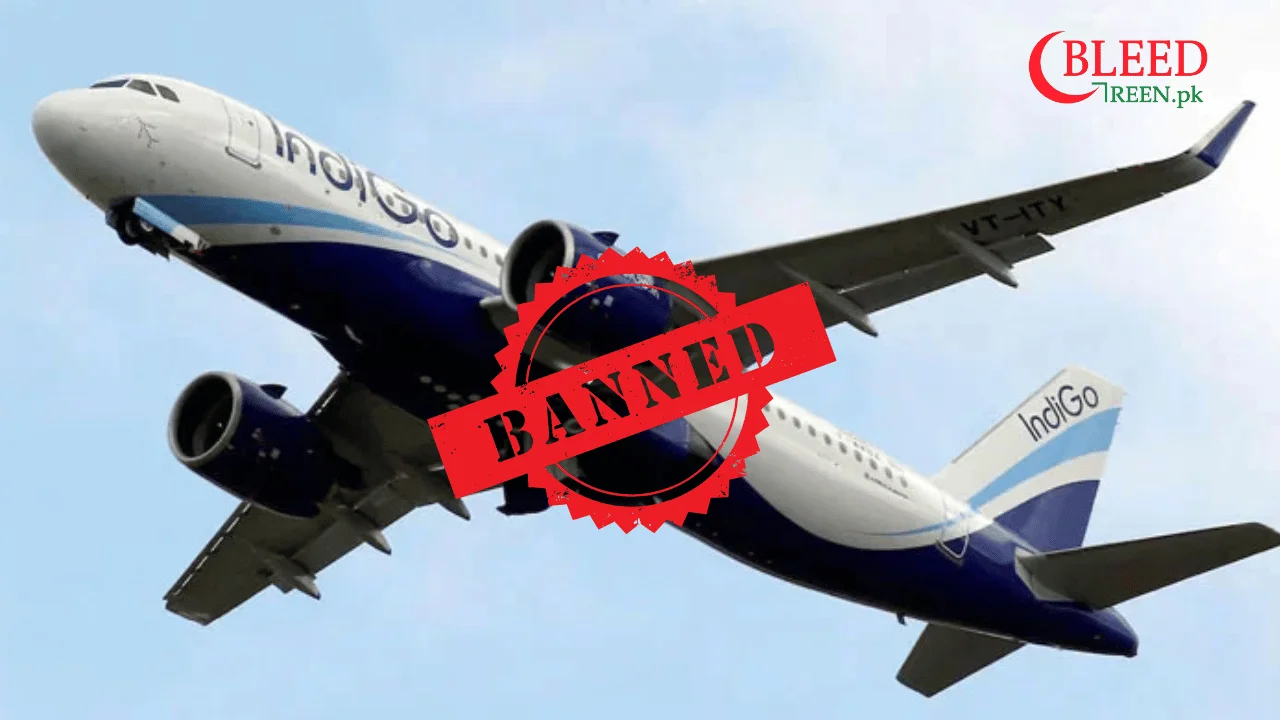
Pakistan has once again extended its airspace restrictions on Indian aircraft, confirming that Indian-registered planes and flights operated by Indian airlines will not be allowed to use Pakistani airspace until January 23, 2026.
The decision was finalized after approval from the federal government and formally communicated through a Notice to Airmen (NOTAM) issued by the Pakistan Airports Authority (PAA).
Key Details of the Airspace Extension
-
Airspace closed for: Indian-registered aircraft & Indian airlines
-
Extended until: January 23, 2026
-
Authority issuing NOTAM: Pakistan Airports Authority (PAA)
-
Initial restriction imposed: April 23, 2025
-
Policy status: Continuation of existing airspace restrictions
Background of the Airspace Closure
Pakistan first imposed restrictions on Indian aircraft in April 2025. Since then, the ban has been extended multiple times as part of an ongoing aviation policy framework.

Officials say the latest extension does not introduce any new conditions but simply continues the existing restrictions currently in place.
Heavy Financial Impact on Indian Airlines
The prolonged airspace closure has reportedly caused significant financial losses for Indian airlines, particularly Air India, the country’s flag carrier.
According to Indian media reports:
-
Air India has suffered losses exceeding ₹4,000 crore
-
Fuel costs have increased by nearly 29%
-
Annual losses are estimated at up to $450 million
The airline has reportedly requested financial compensation from the Indian government to offset the rising operational expenses.

Longer Routes, Higher Costs
Due to the restriction, Air India and other carriers have been forced to reroute flights bound for:
-
United States
-
Canada
-
European destinations
These longer routes significantly increase fuel consumption, flight duration, and overall operational costs.
To mitigate losses, Air India has reportedly explored the option of using China’s Xinjiang airspace as an alternative corridor. However, Chinese authorities have so far indicated that they are not aware of any formal request, leaving the issue unresolved.
Operational Challenges Continue
Aviation analysts note that the continued closure places Indian airlines at a competitive disadvantage compared to other international carriers that can use Pakistani airspace.

Industry experts warn that prolonged restrictions could lead to:
-
Higher ticket prices
-
Reduced flight frequency
-
Increased pressure on airline finances
Final Outlook
Pakistan’s decision to extend the airspace ban until January 23, 2026 signals no immediate change in aviation policy regarding Indian aircraft. While the move maintains the status quo, its economic impact on Indian airlines continues to deepen.
As regional aviation routes remain restricted, the situation underscores how geopolitical decisions can have long-term consequences for commercial aviation and international travel.

