


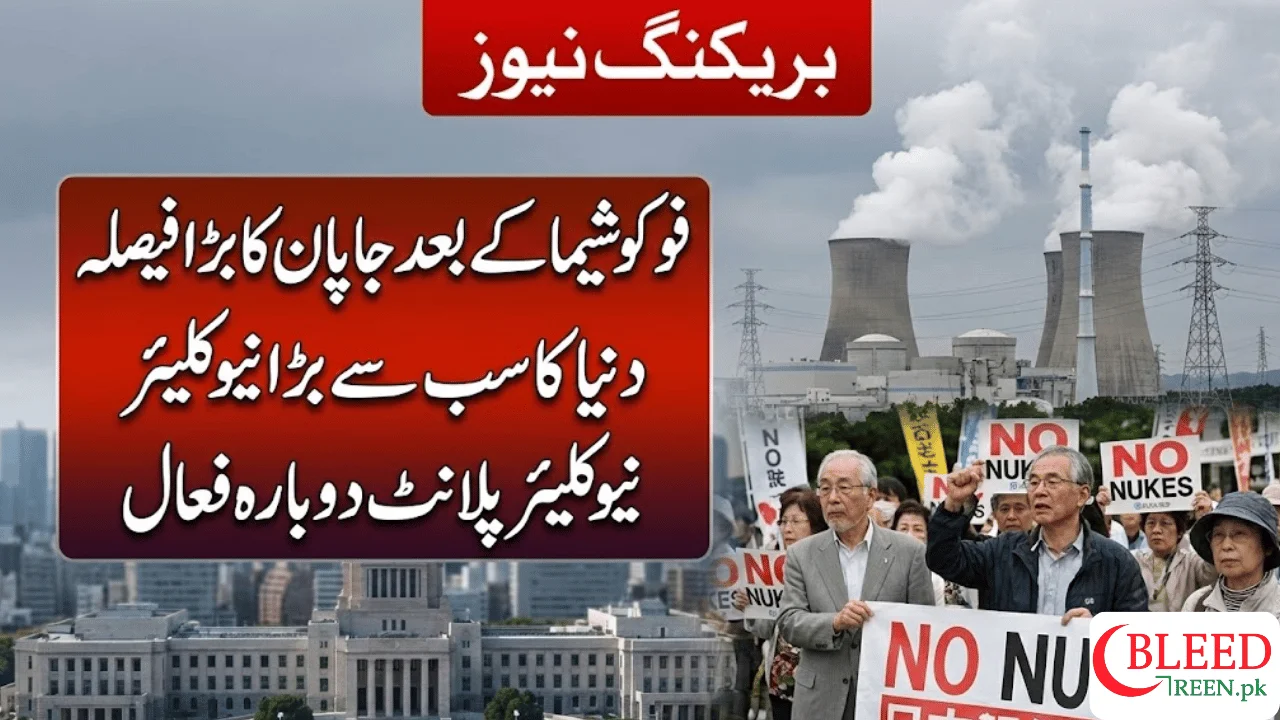
Tokyo: Japan has taken a historic step toward reviving nuclear energy by approving the restart of the world’s largest nuclear power station, nearly 15 years after the Fukushima disaster reshaped the country’s energy policy and public trust.
The decision came after lawmakers in Niigata Prefecture voted in favour of Governor Hideyo Hanazumi’s stance supporting the partial restart of the Kashiwazaki-Kariwa nuclear plant, clearing the final political hurdle for operations to resume.
A Turning Point in Japan’s Energy Strategy
Located around 220 kilometres northwest of Tokyo, the Kashiwazaki-Kariwa facility was shut down in the aftermath of the devastating 2011 earthquake and tsunami that triggered the Fukushima Daiichi nuclear crisis. The disaster led to the closure of all 54 nuclear reactors across Japan at the time.
Since then, Japan has cautiously restarted 14 reactors as part of a broader effort to reduce reliance on imported fossil fuels and strengthen long-term energy security. Kashiwazaki-Kariwa will become the first nuclear plant operated by Tokyo Electric Power Company (TEPCO) to resume operations since Fukushima.
According to Japanese media reports, TEPCO is considering restarting the first of the plant’s seven reactors as early as January 20, pending final technical checks.
Public Opposition and Lingering Fears
Despite official approval, the move has sparked renewed public resistance. Hundreds of demonstrators gathered outside the Niigata prefectural assembly ahead of the vote, holding placards opposing nuclear energy and expressing solidarity with Fukushima survivors.

Many residents remain sceptical about TEPCO’s ability to safely operate the plant. A prefectural survey conducted in October revealed that:
-
60% of residents believe conditions for a restart have not been fully met
-
Nearly 70% expressed concern over TEPCO’s operational reliability
Former Fukushima evacuees living in Niigata also voiced deep anxiety, citing lingering trauma and fears of another nuclear accident.
TEPCO and Government Assurances
TEPCO has pledged extensive safety improvements and committed ¥100 billion (approximately $640 million) in regional investments over the next decade to rebuild trust with local communities. Company officials say the restart will meet the highest safety standards and that lessons from Fukushima have been fully incorporated.

Japan’s federal government, under Prime Minister Sanae Takaichi, has strongly backed nuclear restarts as part of a strategy to:
-
Reduce soaring fossil fuel import costs
-
Stabilise electricity supply
-
Meet climate and decarbonisation targets
Last year alone, Japan spent more than ¥10 trillion on imported liquefied natural gas and coal, accounting for a significant portion of national energy costs.

Energy Security and the Road Ahead
The Kashiwazaki-Kariwa restart could increase electricity supply to the Tokyo region by nearly 2%, easing pressure on the grid as demand rises due to the expansion of data centres, artificial intelligence infrastructure, and electrification.
Japan aims to double nuclear power’s share in its energy mix to 20% by 2040, positioning it as a cornerstone of the country’s low-carbon transition.
However, officials including Governor Hanazumi have acknowledged that public concerns remain valid, stressing that Japan’s long-term goal should be an energy future that does not generate fear or uncertainty among citizens.
Key Takeaway
Japan has approved the restart of the Kashiwazaki-Kariwa nuclear plant, the world’s largest, nearly 15 years after Fukushima. The move aims to strengthen energy security and reduce fossil fuel dependence, but public opposition and safety concerns continue to pose challenges.

