


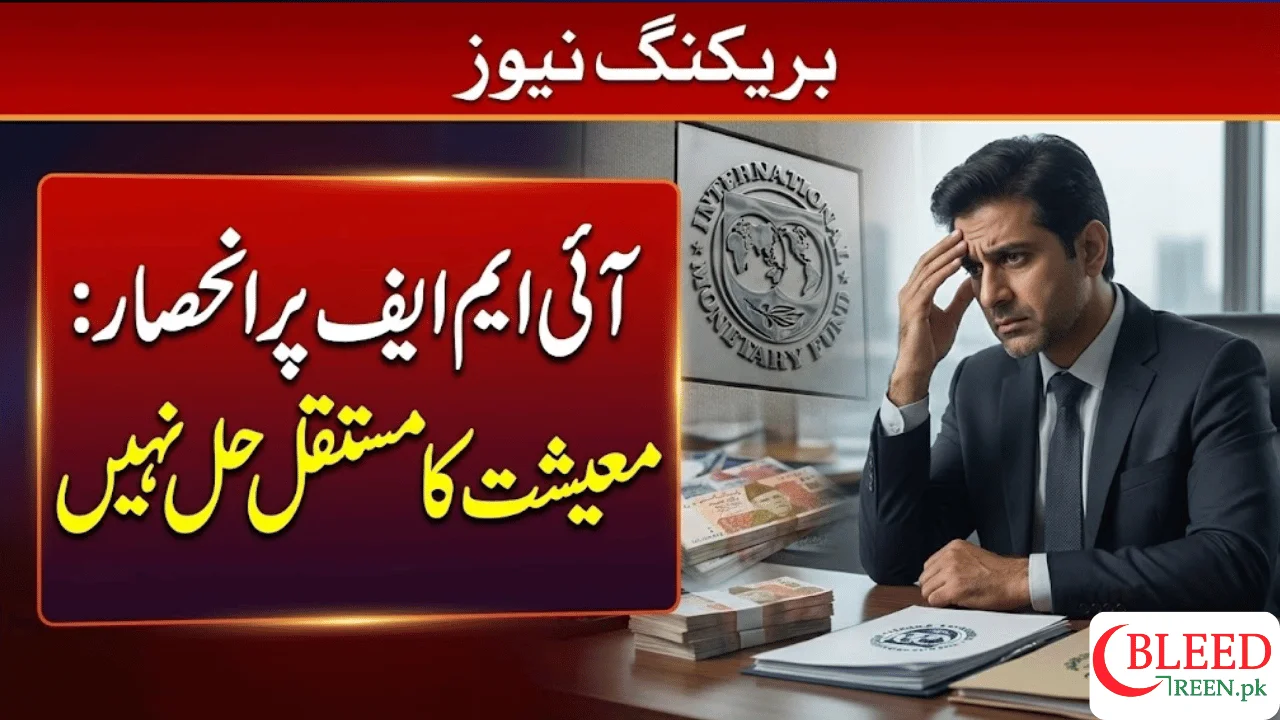
The IMF’s role is often misunderstood. Its mandate is not to design prosperity but to prevent economic collapse. Pakistan is currently operating under its 24th IMF programme, a $7 billion Extended Fund Facility, highlighting a decades-long pattern of repeated bailouts.
If IMF programmes were a complete solution, Pakistan would not be returning to the lender every few years. The Fund steps in during emergencies, demanding fiscal discipline, revenue mobilisation, and structural safeguards to restore confidence. These measures stabilise economies—but they do not create jobs, industries, or innovation ecosystems.
Stabilisation Without Growth: The Core Dilemma
Economists argue that Pakistan’s problem is not IMF conditionality alone, but the absence of a clear, homegrown growth strategy. Stabilisation policies have helped contain inflation and reduce external deficits, yet investment remains weak and industrial activity subdued.
Many analysts warn that a narrow focus on taxation, energy price hikes, and austerity—without parallel reforms to boost productivity—can worsen inequality and slow economic recovery. Businesses, in particular, point to high interest rates, costly energy, and regulatory uncertainty as major deterrents to investment.
Weak Policy Debate and Limited Innovation
A recurring criticism is the lack of intellectual leadership in economic policymaking. Instead of offering alternative reform pathways, much of the policy discourse revolves around meeting IMF benchmarks. This has narrowed Pakistan’s options and reinforced dependency.

Experts argue that universities, think tanks, and professional economists must play a stronger role in shaping policy—by proposing credible, Pakistan-specific solutions that link stabilisation with exports, employment, and industrial upgrading.
The Sovereignty and Social Cost Question
Repeated IMF programmes have also triggered concerns about economic sovereignty and social impact. Rising tariffs, withdrawal of subsidies, and cuts in public spending disproportionately affect low- and middle-income families. At the same time, resistance from vested interests continues to block meaningful reforms in taxation, state-owned enterprises, and governance.
Some industry leaders warn that without careful sequencing, these policies could accelerate de-industrialisation and discourage local production, while increasing reliance on imports.
Why IMF Alone Is Not the Problem
Not all experts place blame on the IMF. A contrasting view holds that Pakistan approaches the Fund only after domestic mismanagement has already caused severe damage. From this perspective, the real failure lies in weak implementation, elite capture, and an unwillingness to pursue politically difficult reforms.

The IMF provides a framework—but success depends on how a country uses the breathing space it creates.
The Way Forward: From Dependency to Direction
Pakistan’s economic recovery cannot rely indefinitely on emergency lending. What is needed is a coherent national growth vision that goes beyond crisis firefighting. Key priorities include:
-
Export diversification and value addition
-
Competitive energy and financing for industry

-
Job creation through manufacturing and services
-
Productivity-driven growth and innovation
-
Strong institutions and transparent governance
IMF engagement may be unavoidable in the short term, but lasting prosperity will only come from domestic reform ownership and long-term planning.
Conclusion
The IMF can help Pakistan stay afloat—but it cannot chart the country’s future. Without a clear development roadmap, strong institutions, and policy innovation, stabilisation will remain temporary and dependence will persist. Pakistan’s real challenge is not leaving the IMF—it is learning how to grow beyond it.

