


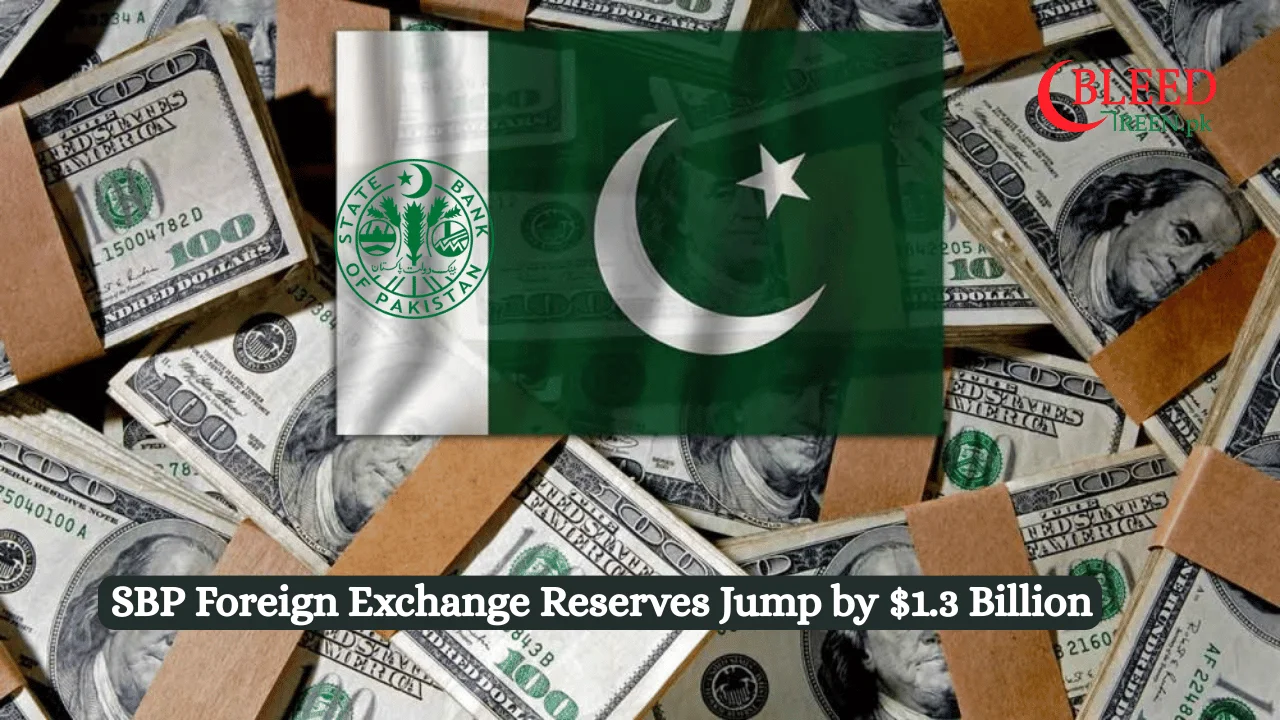
Pakistan’s foreign exchange position strengthened significantly as the State Bank of Pakistan (SBP) recorded a sharp rise in its reserves, driven largely by fresh funding from the International Monetary Fund (IMF).
According to official data released on Thursday, Pakistan’s total liquid foreign reserves reached $21.09 billion as of December 12, 2025, marking a notable improvement in the country’s external account.
Pakistan Foreign Reserves Snapshot
-
Total liquid foreign reserves: $21.09 billion
-
SBP reserves: $15.89 billion
-
Commercial banks’ reserves: $5.20 billion
-
Weekly increase in SBP reserves: $1.3 billion
-
Reporting date: December 12, 2025
Why SBP Reserves Increased Sharply
The central bank confirmed that the surge in reserves was primarily due to the receipt of SDR 914 million (around $1.2 billion) from the IMF under:
-
Extended Fund Facility (EFF)
-
Resilience and Sustainability Facility (RSF)

These inflows significantly boosted SBP holdings during the week ending December 12.
Recent Reserve Trend Shows Gradual Stability
Prior to this major inflow, SBP reserves had been increasing gradually over several weeks through smaller increments, reflecting improved inflows and controlled outflows.
In earlier weeks:
-
Reserves rose steadily by $9–$34 million at a time
-
Minor declines were linked to external debt repayments
-
Large inflows earlier in the year came from multilateral and commercial loans
The latest IMF tranche represents the largest single weekly increase in recent months.
Breakdown of Pakistan’s Foreign Reserves
As of December 12, 2025:
State Bank of Pakistan
-
$15.89 billion

-
Held for debt servicing, import cover, and exchange-rate stability
Commercial Banks
-
$5.20 billion
-
Reflects private-sector foreign currency holdings
Together, these form Pakistan’s liquid foreign reserves, used to manage external financing needs.
Why Rising Reserves Matter
An increase in foreign exchange reserves is critical for Pakistan’s economy because it:
-
Strengthens confidence in the rupee
-
Improves ability to meet external payment obligations
-
Supports imports of fuel, food, and raw materials
-
Signals stability to global lenders and investors

Economists say sustained reserve growth reduces pressure on the exchange rate and helps stabilize inflation expectations.
Outlook for Pakistan’s External Account
Analysts believe Pakistan’s reserve position could remain stable in the near term if:
-
IMF program targets continue to be met
-
External financing remains on track
-
Export earnings and remittances stay strong
-
Fiscal and monetary discipline is maintained
However, upcoming external debt repayments and global economic conditions remain key risk factors.
Final Summary
Pakistan’s foreign exchange reserves received a major boost as SBP reserves jumped by $1.3 billion, lifting total liquid reserves to $21.09 billion. The increase was driven mainly by IMF disbursements under the EFF and RSF programs, offering temporary relief to the country’s external financing pressures.
The development is being viewed as a positive signal for economic stability, provided reform momentum continues.

