


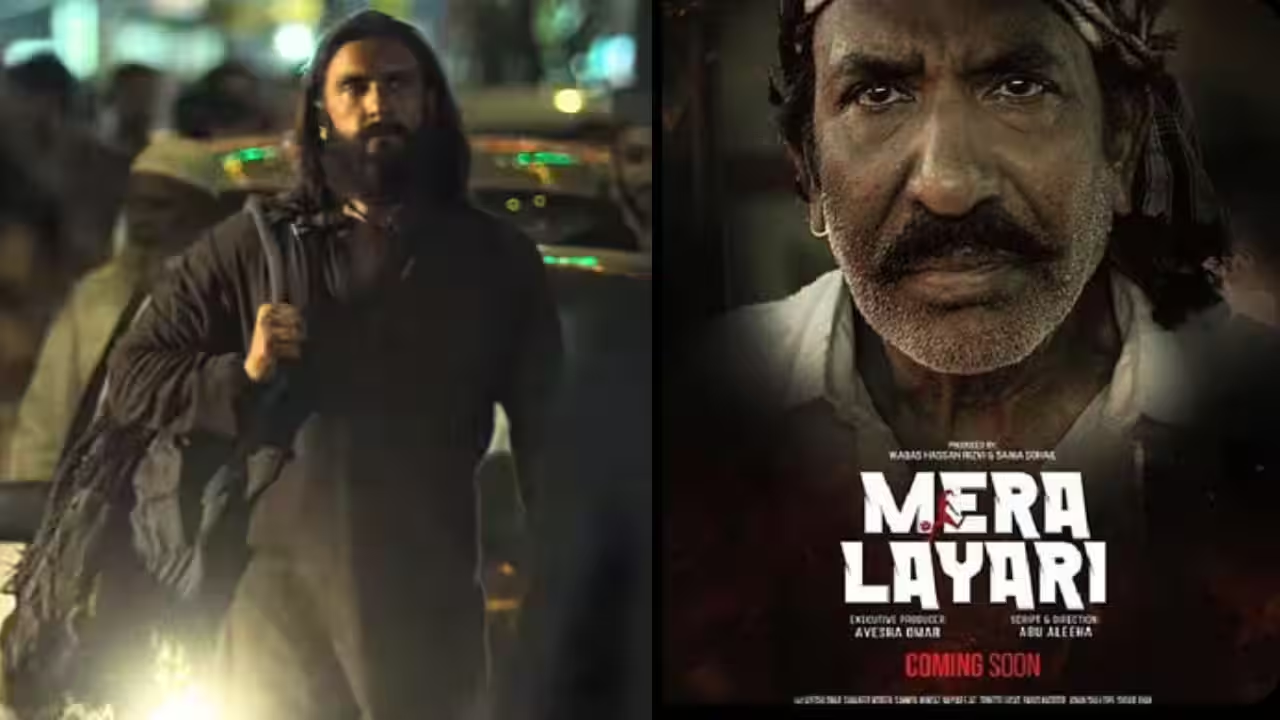
Pakistan is set to counter what officials describe as negative and misleading portrayals in Indian cinema with the upcoming film “Mera Lyari”, a locally produced project highlighting a more authentic image of Karachi’s historic neighborhood.
The announcement was made by Sindh Information Minister Sharjeel Inam Memon, who unveiled the film’s posters and confirmed its release for next month.
Key Highlights (Featured Snippet Optimized)
-
Pakistan announces film “Mera Lyari”
-
Response to Indian spy movie “Dhurandhar”
-
Film aims to show Lyari’s real culture, peace, and resilience
-
Directed and written by Abu Aleeha (Taxali Gate)
-
Features a star-studded Pakistani cast
-
Release expected next month
A Cultural Response to ‘Negative Propaganda’
Sharjeel Inam Memon described Dhurandhar as another example of negative propaganda by the Indian film industry, arguing that such films repeatedly misrepresent Pakistan — particularly Karachi — through stereotypical and politically charged narratives.
According to the minister, “Mera Lyari” will present a very different story, focusing on:

-
The human side of Lyari
-
Its community strength and cultural pride
-
Everyday life beyond crime-driven stereotypes
He said the film’s purpose is to correct misconceptions and reclaim Lyari’s identity through Pakistani storytelling.
Cast and Creative Team
The film features a strong ensemble cast, including:
-
Ayesha Omar
-
Dananeer Mobeen
-
Samiya Mumtaz
-
Nayyar Ejaz

-
Paras Masroor
-
Adnan Shah Tipu
-
Shoaib Khan
-
Trinette Lucas
“Mera Lyari” is written and directed by Abu Aleeha, known for socially conscious storytelling in films such as Taxali Gate.
While full plot details have not yet been revealed, early promotional material suggests a narrative rooted in identity, dignity, and social realism.
Why ‘Dhurandhar’ Sparked Controversy
The Indian film Dhurandhar, set in Lyari, faced backlash for its portrayal of Pakistan. The controversy intensified after reports emerged that the film was not cleared for release in several Gulf countries due to concerns over its themes.
The situation echoes earlier cases involving Indian films accused of politicized narratives, including “Fighter” (2024), which depicted a dramatized version of the 2019 India-Pakistan crisis.
Legal Action Filed in Pakistan
Adding to the dispute, a legal application was filed in a Karachi district court by a political supporter alleging that Dhurandhar used:

-
The Pakistan Peoples Party (PPP) flag
-
Footage from party rallies
-
Imagery resembling Benazir Bhutto, without authorization
The petitioner claimed the film’s trailer portrayed the PPP as sympathetic to extremist elements, prompting demands for legal scrutiny.
Cinema as Narrative Power
Film analysts note that Mera Lyari reflects a growing trend in Pakistani cinema — using film as a tool to reclaim national narratives and challenge external depictions.
By telling stories from within the community, Pakistani filmmakers aim to present perspectives grounded in lived reality rather than political fiction.
Final Outlook
With “Mera Lyari”, Pakistan is stepping into the cinematic conversation with a message of self-representation and cultural authenticity. As audiences await its release next month, the film is expected to spark dialogue not only about Lyari, but also about how cinema shapes perceptions across borders.
Whether it becomes a box-office success or a cultural statement, Mera Lyari is positioned as a clear response — using storytelling instead of stereotypes.

