


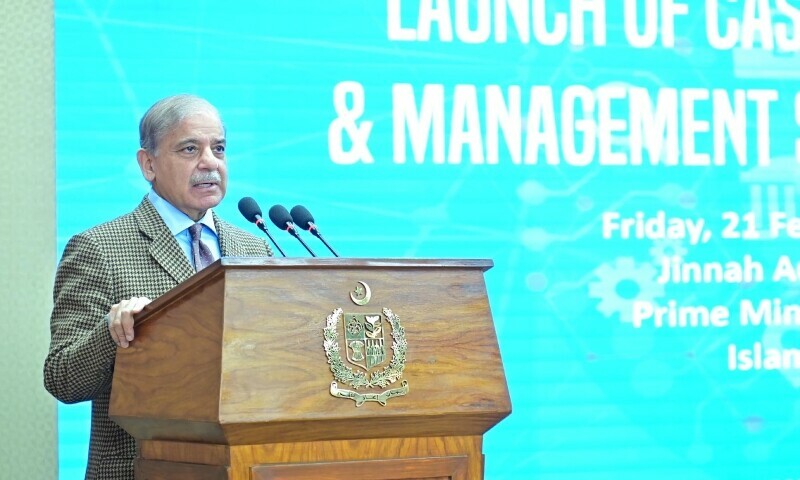
Prime Minister Shehbaz Sharif has officially launched Pakistan’s National Regulatory Reforms, calling the initiative a transformative step aimed at simplifying regulations, improving ease of doing business, and attracting domestic and foreign investment.
The reforms were unveiled during a ceremony in Lahore, where the prime minister emphasized that the new framework will benefit the business community, industrial sector, agriculture, and foreign investors, particularly from Europe, the Middle East, and the Far East.
Key Highlights of National Regulatory Reforms
-
PM Shehbaz launches nationwide regulatory reforms
-
Focus on ease of doing business and investment growth
-
Board of Investment to lead Asaan Karobaar Technical Unit
-
Reforms aim to reduce delays, red tape, corruption, and nepotism
-
Target sectors include agriculture, IT, and minerals
-
IMF approves $1.2 billion tranche, strengthening confidence
A Major Shift Toward Business-Friendly Governance
Addressing the gathering, Prime Minister Shehbaz Sharif described the reforms as a “quantum leap” in regulatory governance. He said outdated procedures had long caused delays, wasted resources, and encouraged inefficiencies — challenges the new system is designed to eliminate.

The reforms are expected to align Pakistan’s regulatory environment with international best practices, making it easier for businesses to operate and expand.
Board of Investment to Lead ‘Asaan Karobaar’ Initiative
The Prime Minister announced that the Board of Investment (BoI) has been entrusted with leading the Asaan Karobaar Technical Unit, a dedicated body responsible for:
-
Continuous regulatory modernization
-
Simplifying business procedures
-
Coordinating reforms across departments
-
Ensuring global standards are adopted
He stressed that swift implementation is essential so citizens and investors can feel real, on-ground change.
Economic Recovery and IMF Support
Reflecting on Pakistan’s economic challenges earlier in 2024, the Prime Minister said the country has now emerged from a difficult phase due to sustained reform efforts.

He highlighted positive economic indicators and confirmed that the International Monetary Fund (IMF) has approved a $1.2 billion tranche, reinforcing market confidence and financial stability.
Youth, Skills, and Employment Focus
PM Shehbaz Sharif emphasized Pakistan’s youth potential, stating that the government is expanding:
-
Vocational training programs
-
International skill certification
-
Employment pathways at home and abroad
The aim is to equip young Pakistanis with skills that meet global market demands, increasing productivity and income opportunities.
Priority Sectors for Investment
The government is now prioritizing economic growth through targeted investment in high-potential sectors, including:
-
Agriculture

-
Information Technology (IT)
-
Mines and minerals
Officials believe reforms in tariffs, regulations, and industrial revival will create a competitive and innovation-driven economy.
🇬🇧 UK Welcomes Pakistan’s Reform Agenda
UK Minister of State for International Development Baroness Jenny Chapman welcomed the reforms, describing Pakistan as a country full of economic potential.
She noted that rising business confidence is already benefiting over 200 British companies operating in Pakistan, adding that the new regulatory framework would further encourage UK investment by removing long-standing barriers.
Government Committed to Sustainable Growth
Prime Minister’s Special Assistant Haroon Akhtar said the government is implementing reforms across all sectors to ensure long-term, sustainable development.
He emphasized that forward-looking nations focus on competitiveness, innovation, and investor facilitation — principles that now form the backbone of Pakistan’s reform strategy.
Final Outlook
Pakistan’s national regulatory reforms mark a decisive move toward a more transparent, efficient, and investor-friendly economy. With simplified rules, stronger institutions, and international alignment, the reforms aim to unlock growth, attract foreign capital, and restore confidence in Pakistan’s economic future.
If implemented effectively, the initiative could reshape the country’s business environment and place Pakistan on a stronger path toward sustainable development.

